Partner with LtL

The Stick 'Em Lab: a privately funded STEM – AI room

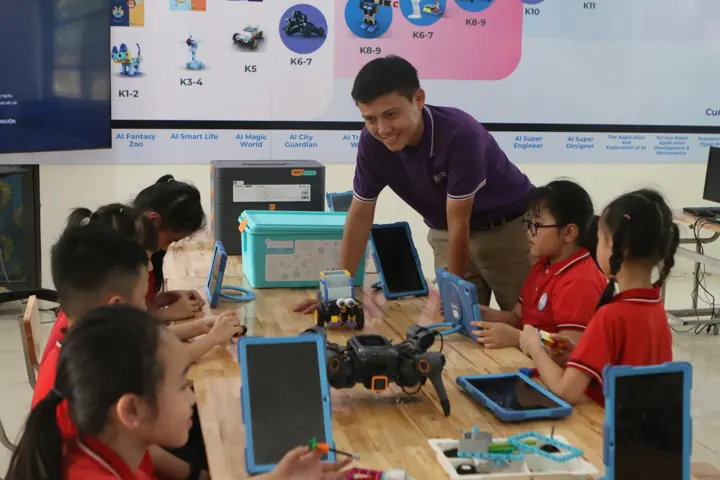
Learn to Leap invests in the curriculum, equipment, learning materials and Stick 'Em robot kits, and trains the school's own teachers to run the classes. Primary and lower-secondary students get a STEM – AI space without the school spending its budget on equipment.

About Stick 'Em

Robotics from chopsticks and green materials

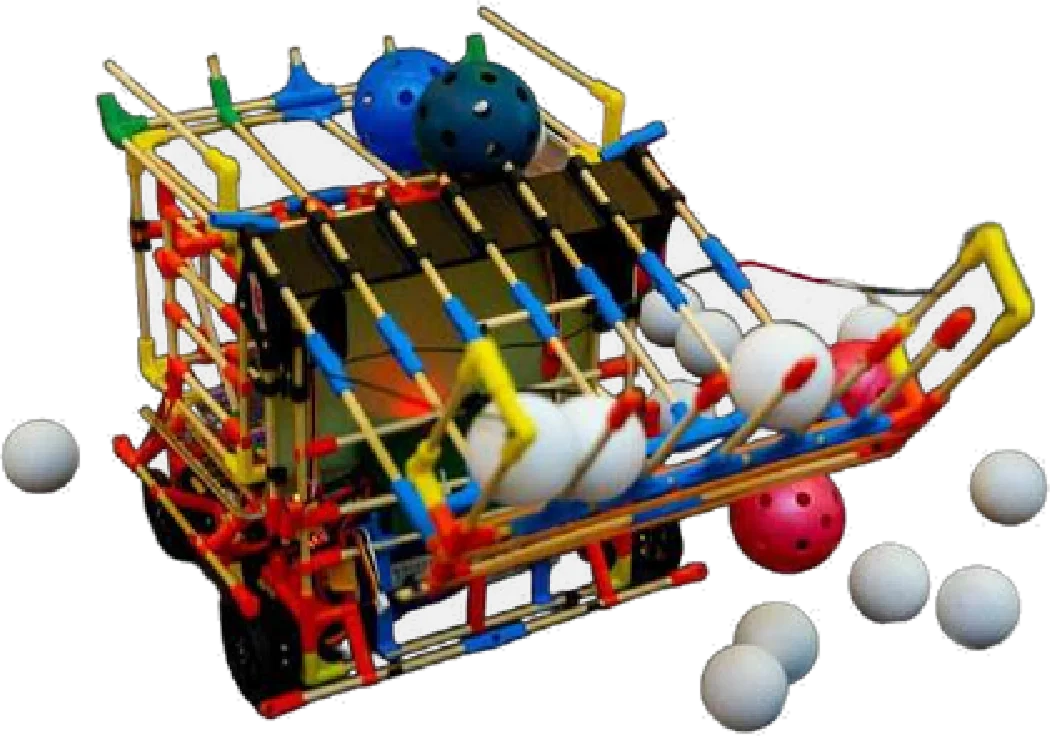
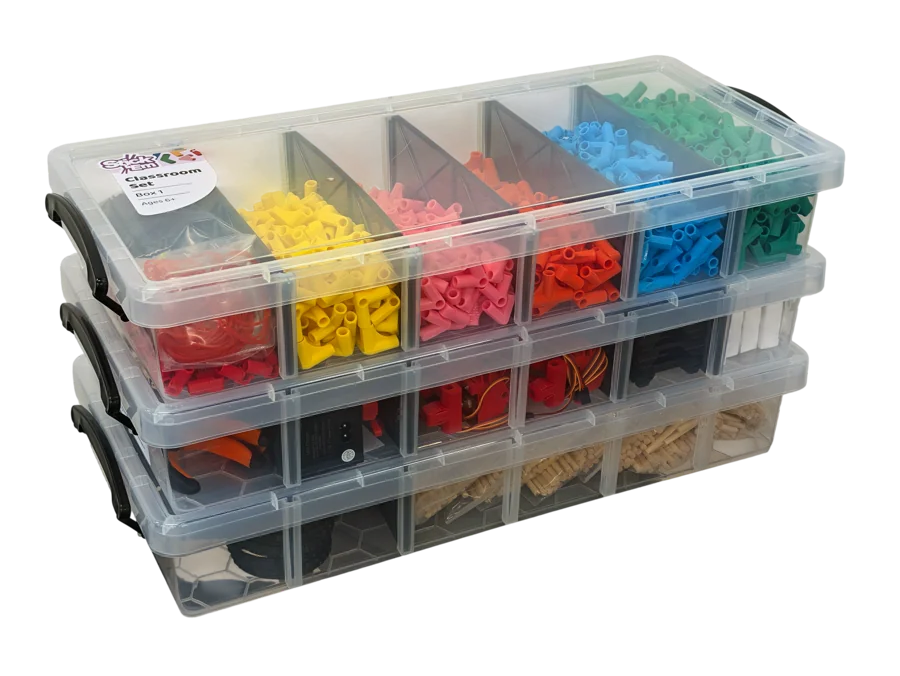
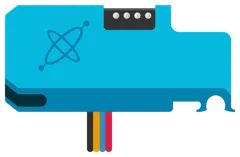
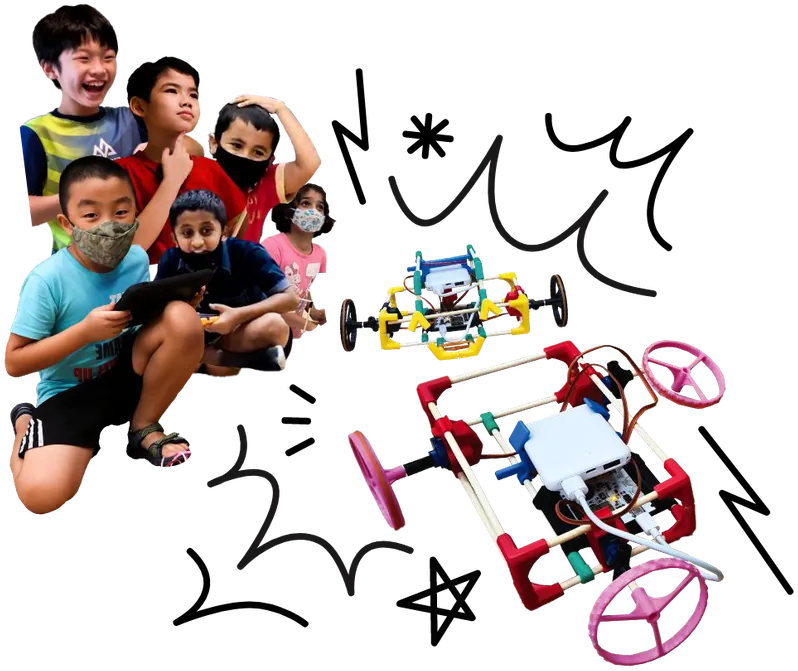
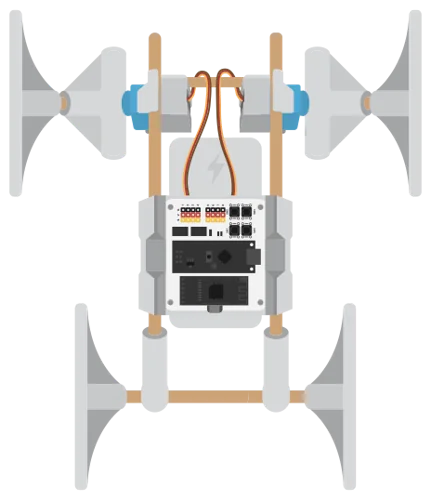
Stick 'Em is a STEAM – AI education solution developed in Singapore. With bamboo chopsticks, 3D-printed connectors, servo motors and an electronics board, students build models and robots by hand, then control them from a Bluetooth app. The materials are familiar and affordable, so a school can run STEM – AI activities for every student.

One kit supports lessons in design thinking, maths, science, robotics and coding, artificial intelligence, language, arts and humanities, social-emotional learning and future thinking.

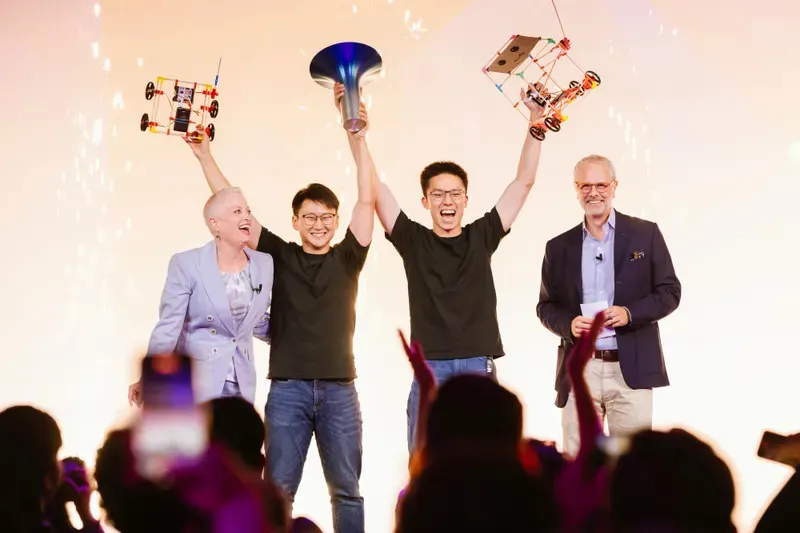
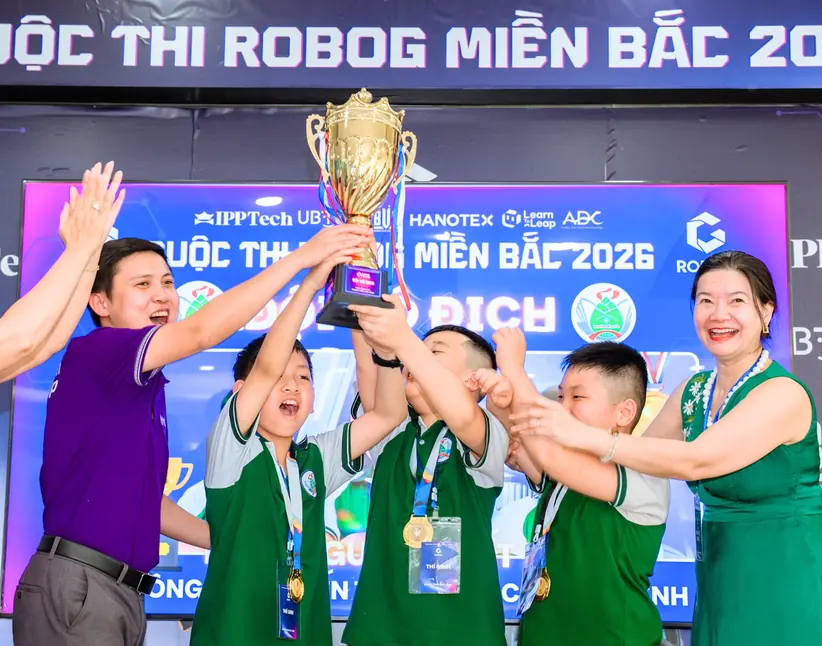
Supported and recognised by IMDA, the National Institute of Education Singapore (NIE), Temasek Foundation, Google and UNDP. Winner of the 2025 Hult Prize, worth US$1 million.

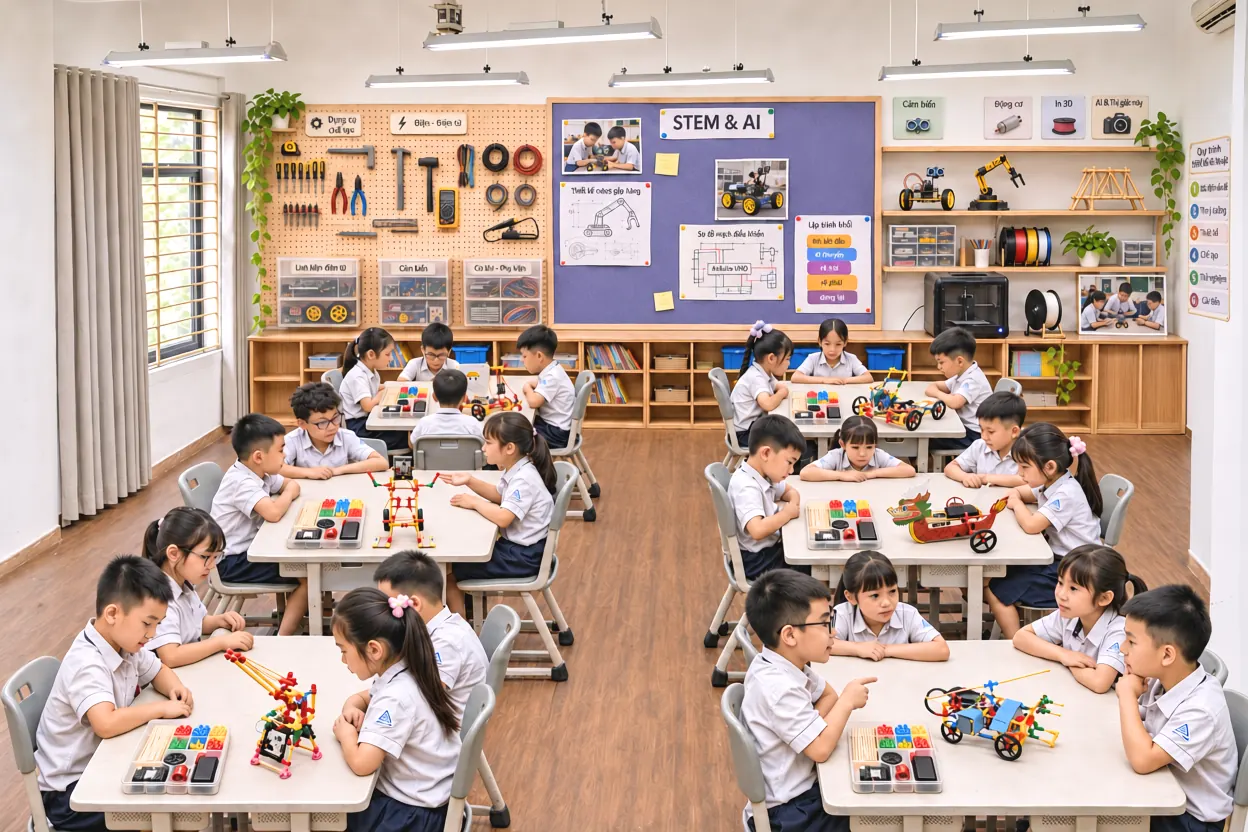
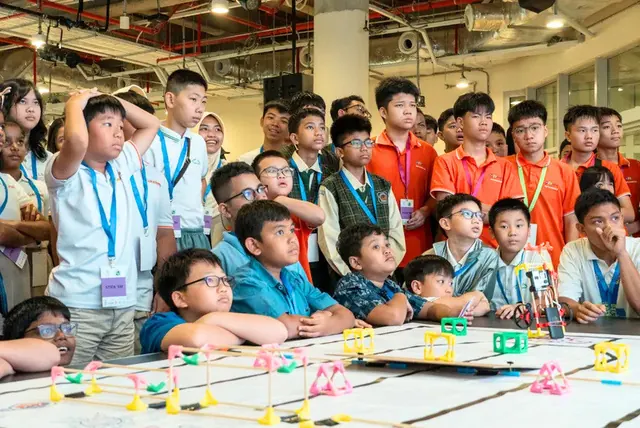
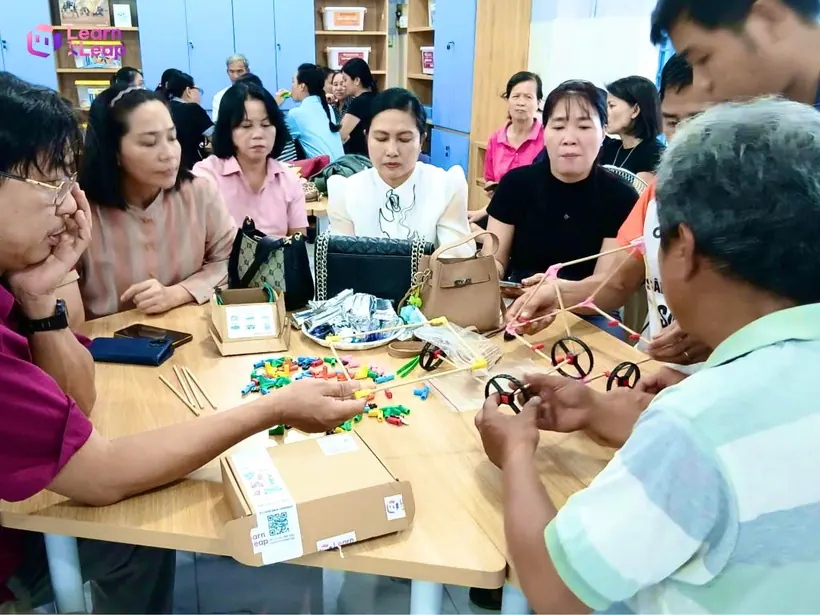
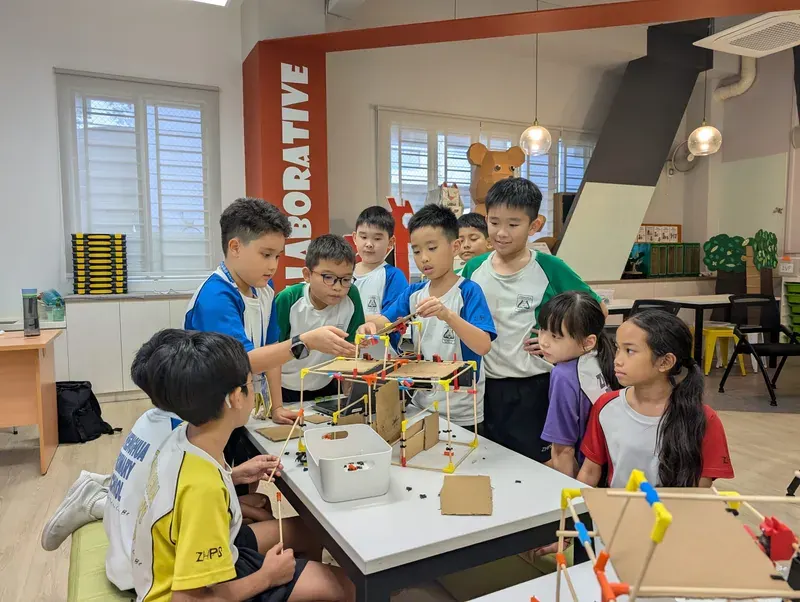
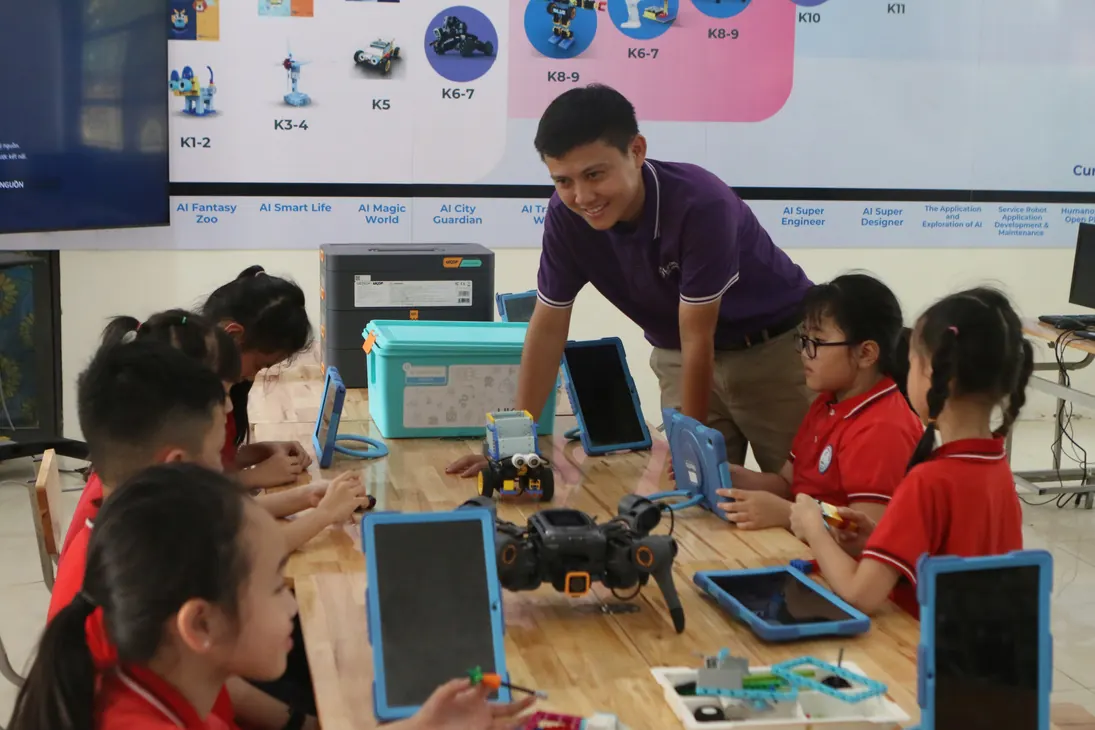
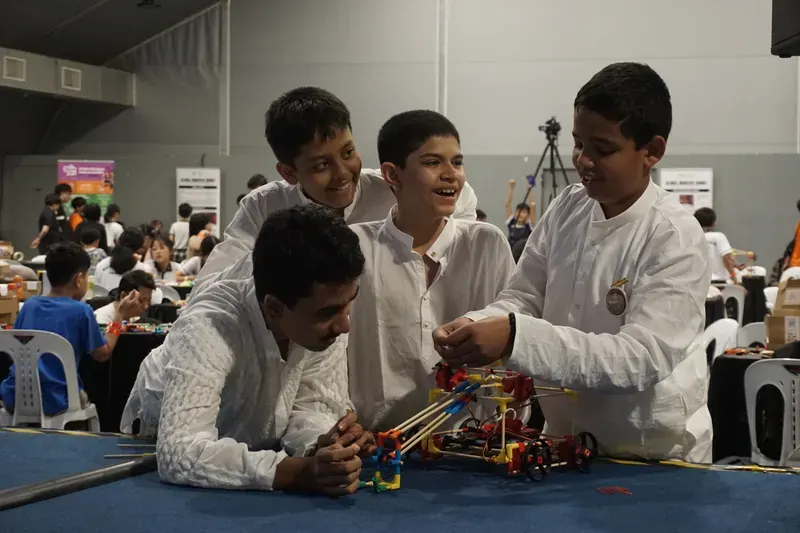
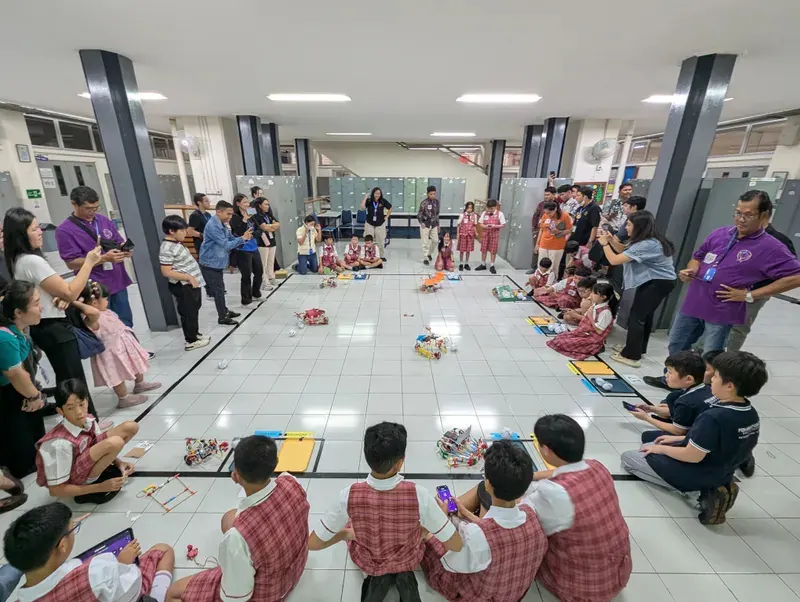
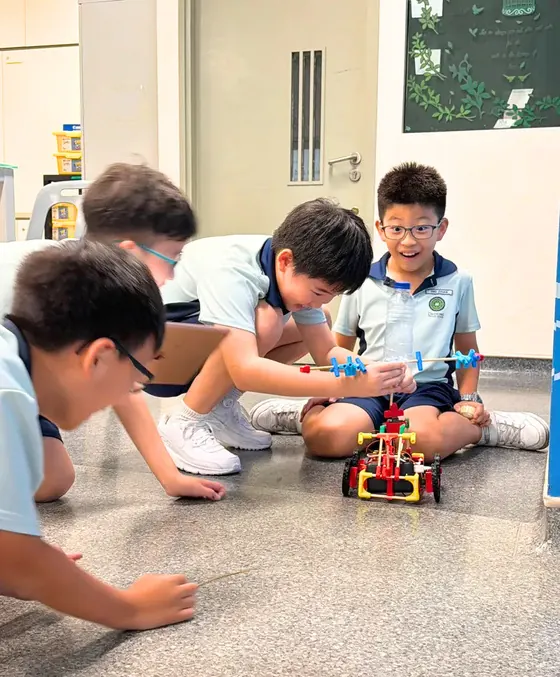
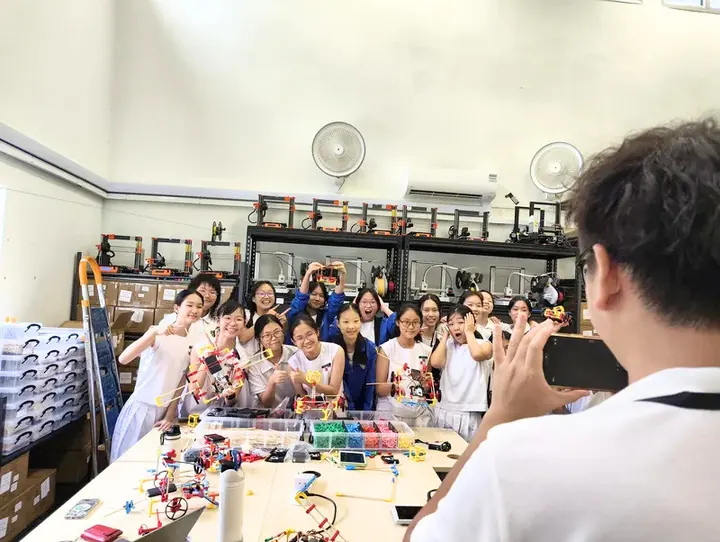
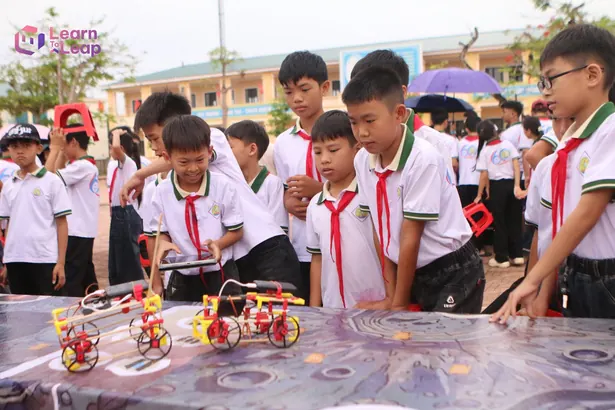
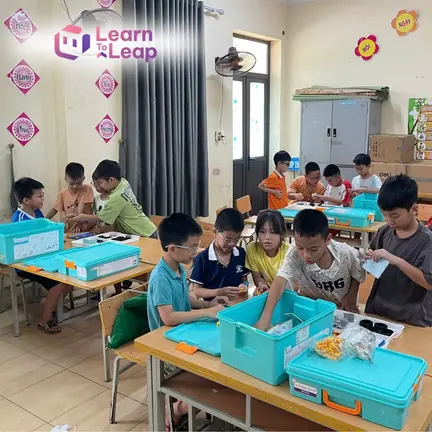
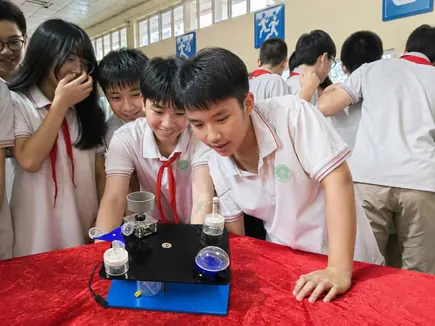
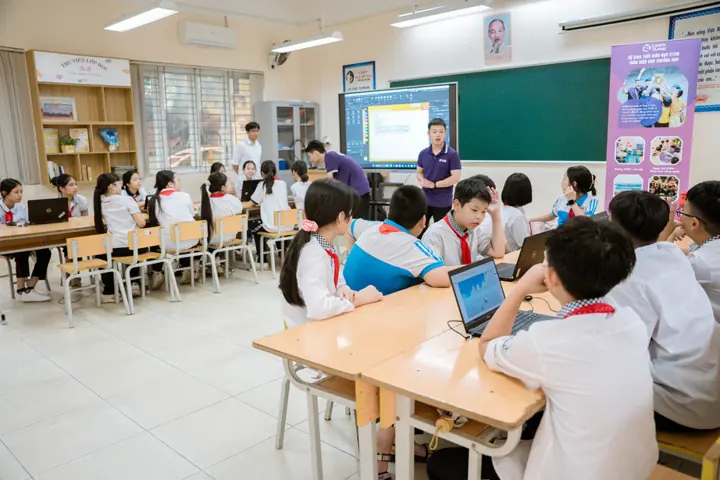
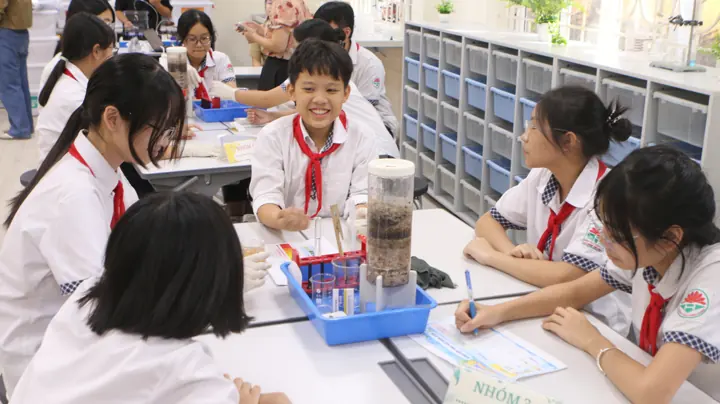
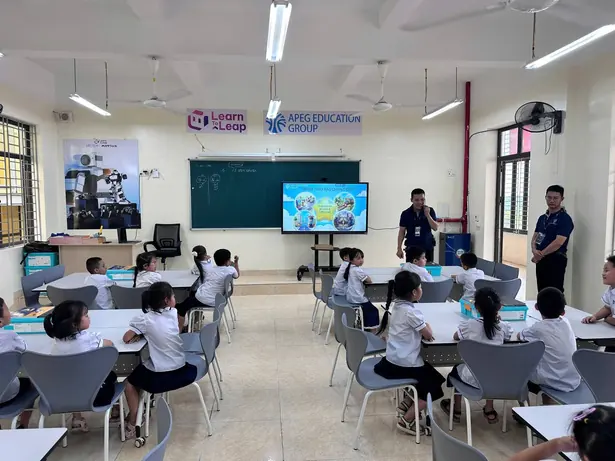
A STEM – AI class using Stick 'Em kitsThe Stick 'Em team receiving the 2025 Hult Prize
400+
Schools using Stick 'Em
22
Countries worldwide
1M USD
Hult Prize 2025

One platform for two school levels

Both versions share the ESP32 controller, 3 servo motors and a rechargeable power bank, and grow with the needs and abilities of students at each level.

Primary

First exploration

Students meet mechanisms, levers, gears, simple vehicles and visual STEM models, building curiosity and design thinking.

Controller
ESP32 + 3 servos
Sensors
None added
Models
Simple cars, grippers, lifting mechanisms
Focus
Basic and visual
Best for
STEM clubs, hands-on activities
Lower secondary

Building STEM skills

From creative building to robot programming and cross-subject projects in maths, science, computing and technology, extended with advanced coding and real-world uses.

Controller
ESP32 + 3 servos
Sensors
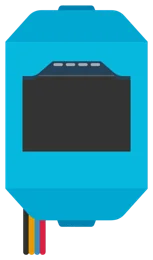
Light, motion (MPU6050), ultrasonic, temperature and humidity; 0.96-inch display
Models
Autonomous robots, measuring, smart models
Focus
Advanced and practical
Best for
STEM Day, robotics contests, cross-subject projects

Within the rules, no budget spent on equipment

Learn to Leap invests in the full package and hands it over so the school's teachers lead the classes. Students learn with modern, international methods at their own school.

Circ. 85/2026

Activities chosen by learners

Held outside core lessons and PE; students take part voluntarily, with their parents’ agreement.

Transparent

Fees collected openly

Charged by published item and never above the rate set by the provincial or city People’s Committee.

Circ. 86/2026

No dedicated STEM room required

Stick 'Em kits are compact and work in the school's existing classrooms.

Teachers

Stronger teaching staff

School teachers receive structured training so they can run STEM – AI lessons on their own for the long term.

The school and Learn to Leap deliver it together

The school

  • Provides 1–3 free classrooms after core lessons for the programme
  • Helps with communication, try-out sessions, sign-up forms and timetabling of participating classes
  • Assigns teachers to take over the Stick 'Em STEM – AI programme and teach it outside core lessons

Learn to Leap

  • Invests in the curriculum, equipment, teaching aids, learning materials and Stick 'Em robot kits
  • Works with the school on communication, try-out sessions and enrolment
  • Trains teachers and awards the international Stick 'Em STEM – AI certificate, with ongoing professional support

A curriculum for each grade

Four connected programmes from grade 2 to grade 7, moving from model building and paper command cards to block coding, sensors and training computer-vision models.

Grades 2–3 · Primary

The Shape-shifting Zoo

Hardware
Grade 2: Connector Kit, battery LEDs and craft materials. Grade 3: Robotics Kit, servos and sensor kit.
Learning tools
Grade 2: paper command cards. Grade 3: Stick 'Em WebApp for control and block coding.
Knowledge
How animals are built, behave and move; axles, hinges, cranks and how sensors collect data.
Skills
Build moving models and order command cards; block coding with loops and branches; test and present products.
See the lesson list

Grade 2 · The animal world

  1. The Shape-shifting Zoo
  2. Whose big mouth?
  3. Cat’s eyes
  4. A special friend: the owl
  5. The talking elephant (2 parts)
  6. The dog that wags its tail
  7. Bird wings
  8. We are all different

Grade 3 · Robotics and sensors

  1. Me, robots and AI
  2. The giraffe’s long neck
  3. Snail antennae (2 parts)
  4. Wonderful fish
  5. The clever snake
  6. Rulers of the Earth: dinosaurs (2 parts)
  7. Homes of our friends
  8. AI and me: staying safe with smart devices
Grades 4–5 · Primary

AI in smart living

Hardware
Robotics Kit with board, 3 servos, power bank and wheels; sensors, LEDs and buzzer used per lesson.
Learning tools
Stick 'Em WebApp: block coding and remote control (RC).
Knowledge
Tell automated devices from AI; how sensors and motors work together in home appliances, self-driving cars and sorting robots.
Skills
Build, code and test sensor devices; use branches and conditional loops; collect data and present projects.

See the lesson list

Grade 4 · Smart systems

  1. What is "smart living"?
  2. Smart desk lamp
  3. Smart fan
  4. Smart bin
  5. Smart study corner
  6. My smart flower garden
  7. Smart clothes rack
  8. Smart home project
  9. AI around me: using AI safely and responsibly

Grade 5 · Life and traffic

  1. Music player
  2. Smart alarm bell
  3. Smart cleaning car
  4. Traffic police assistant
  5. Self-driving rescue car parking contest
  6. The sensor kit
  7. Automatic door
  8. Sorting robot arm
  9. Life with AI: AI technology
Grade 6 · Lower secondary

City Guardians 1

Hardware
Stick 'Em Robotics Kit: board, servos, wheels; distance and light sensors.
Learning tools
Stick 'Em WebApp: sequential blocks, conditions, loops, variables; hands-on computer-vision models.
Knowledge
Meet AI and robots through the role of city guardians; how sensors and computer vision help robots rescue and patrol.
Skills
Build rescue cars, mechanical arms and agile vehicles; code rescue and patrol robots; teamwork, presenting and improving.
See the lesson list

Weeks 1–17 · Getting started and rescue

  1. Introduction
  2. Emergency rescue in the rubble
  3. Crossing obstacles
  4. Finding people by sound
  5. Rescue

Weeks 18–35 · Moving and observing

  1. Agile movement
  2. Watchful eyes
  3. Automatic patrol
  4. Tracking and tracing
  5. Review and term 2 test
Grade 7 · Lower secondary

City Guardians 2

Hardware
Stick 'Em Robotics Kit: board, servos, wheels, gripper; line-tracking sensor and practice mat.
Learning tools
Stick 'Em WebApp: variables, custom functions, functions with parameters, logic operators; training computer-vision models.
Knowledge
Train AI to recognise colours, images, symbols, traffic signs and human poses; understand data bias and responsible AI use.
Skills
Drive robots along single and double lines; sort goods with a gripper; run a community rescue scenario on the mat.
See the lesson list

Weeks 1–17 · Recognition and positioning

  1. Introduction
  2. Finding people in a crowd
  3. Locating colours
  4. Identifying images
  5. Smooth movement

Weeks 18–35 · Applications and rescue

  1. Sorting goods
  2. Safe driving
  3. Precise positioning
  4. Community rescue
  5. Review and final test

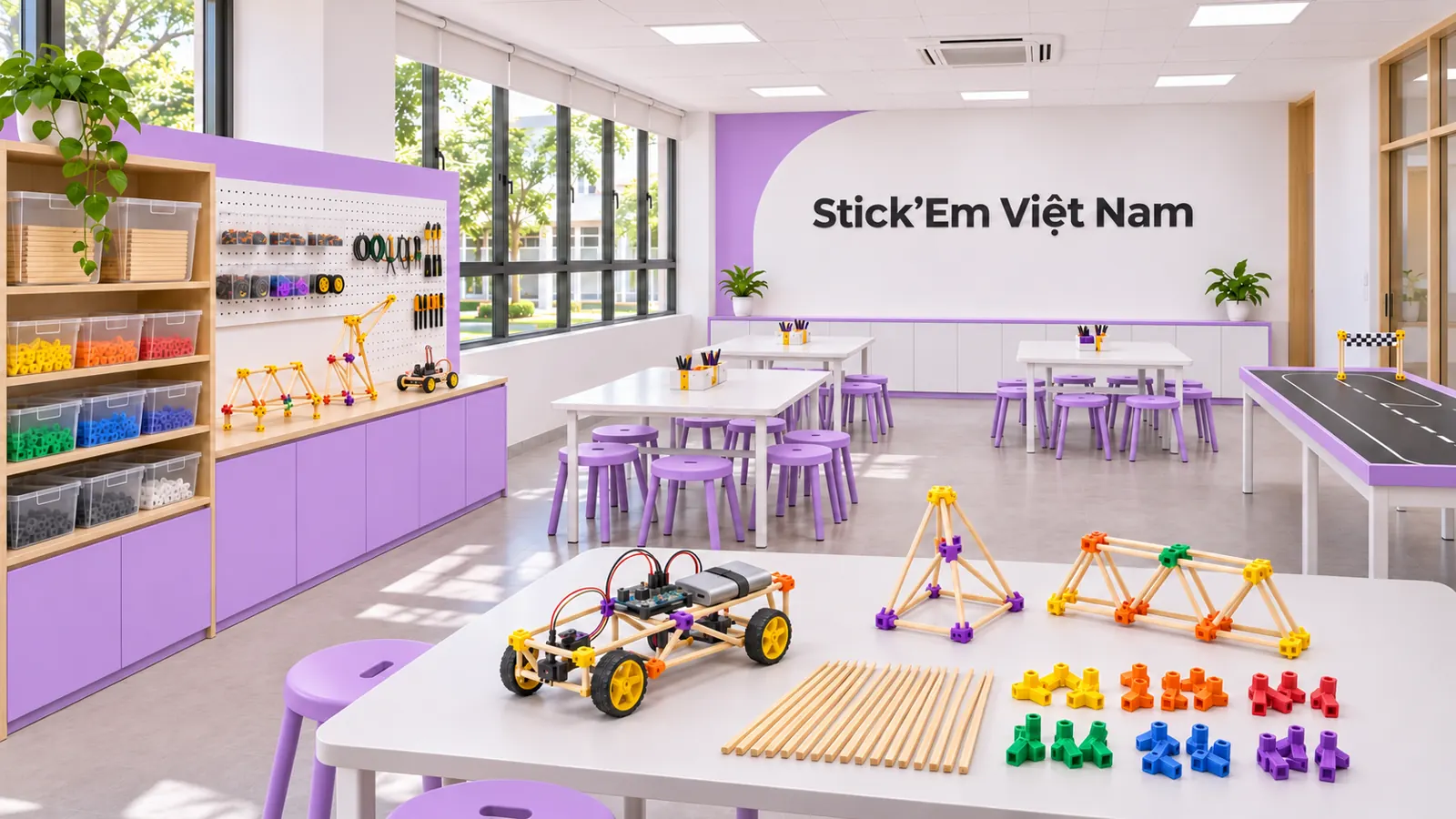
What goes into a Stick 'Em Lab

Learn to Leap invests in the full package, worth from VND 200 million per room.

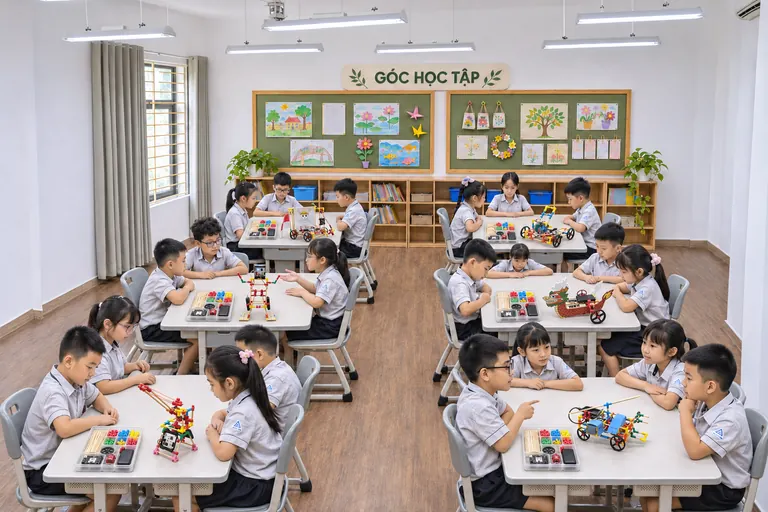
Rendering of a Stick 'Em Lab
ItemQuantity
Connector Kit (SERK01-CK)Chopstick packet, straight and T connectors (60–180 mm), cross connectors, axles, wheels, cardboard clips, rubber bands, 4-inch pliers12 sets
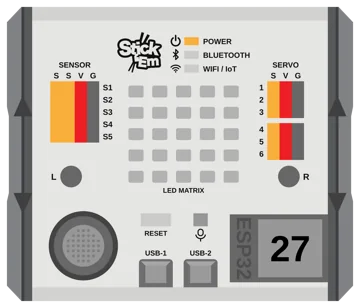
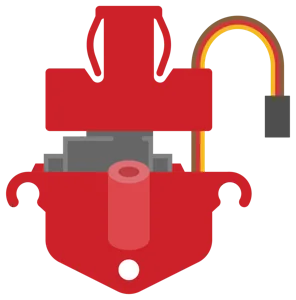
Electronics Kit (SERK01-EK)ESP32 controller, 3 MG90R servo motors, 5000 mAh power bank with holder, USB-A to USB-C cable12 sets
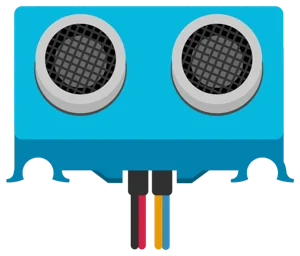
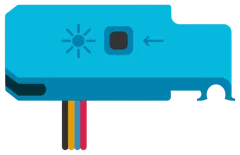
Sensor Kit (SERK01-SK)0.96-inch display, BH1750 light sensor, MPU6050 gyroscope, HC-SR04 ultrasonic sensor, AHT10 temperature and humidity sensor12 sets
STEM – AI learning tabletsFor group robot control and coding6 units
Competition matWith international competition accessories1 set
Stick 'Em coding softwareWith a library of STEM topics1 system
STEM – AI Lab decorBranded classroom space1 package

How it runs

02 lessons/week
70 lessons per school year
04–06 groups
per class
06–08 students
per group
150–200 students
per room · 1–3 rooms per campus
07 modules
teacher training: 2 days + 1 demo-lesson session
As regulated
fees, at the provincial People’s Committee rate

* Fees, duration and the form of cooperation are agreed with each school, in line with local regulations.

Long-term support for the school

On top of the curriculum, equipment and materials, Learn to Leap runs three core activities free of charge at partner schools.

Once per term

Teacher training

Training that lets every teacher lead classes with confidence and keep the programme going.

  • STEM – AI, robotics and coding
  • Using AI tools to plan lessons and design materials
  • Digital transformation in teaching and class management
  • Integrating STEM into core subjects under Circular 86/2026
Every year

Science, Technology & AI Day

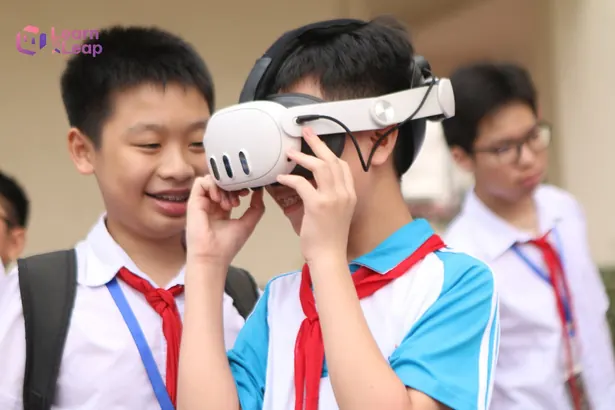
Every student gets hands-on with robots, AI, IoT, virtual reality, game coding, 3D printing and humanoid robots.

  • A STEM experience activity as defined in Circular 86/2026
  • Brings students, parents and the school together
  • Builds the image of a modern, forward-looking school
May–August

Competition team coaching

A "learn – experience – compete" path: students from partner schools are coached for free and get priority entry.

  • Stick 'Em National Challenge, May–June each year
  • GRG Global in Singapore, July–August each year

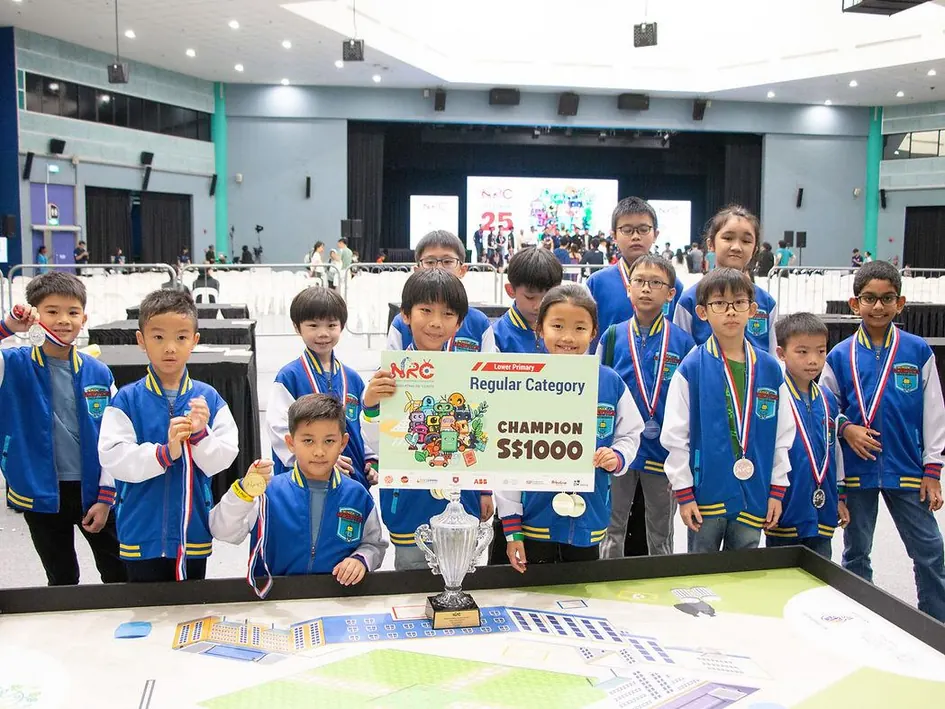
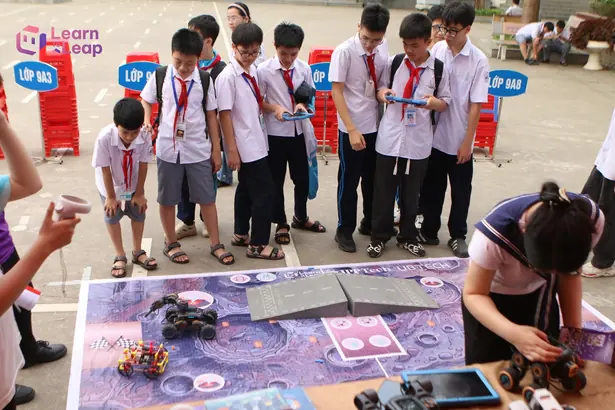
Stick 'Em contests at home and abroad

Global Robotics Games 2024
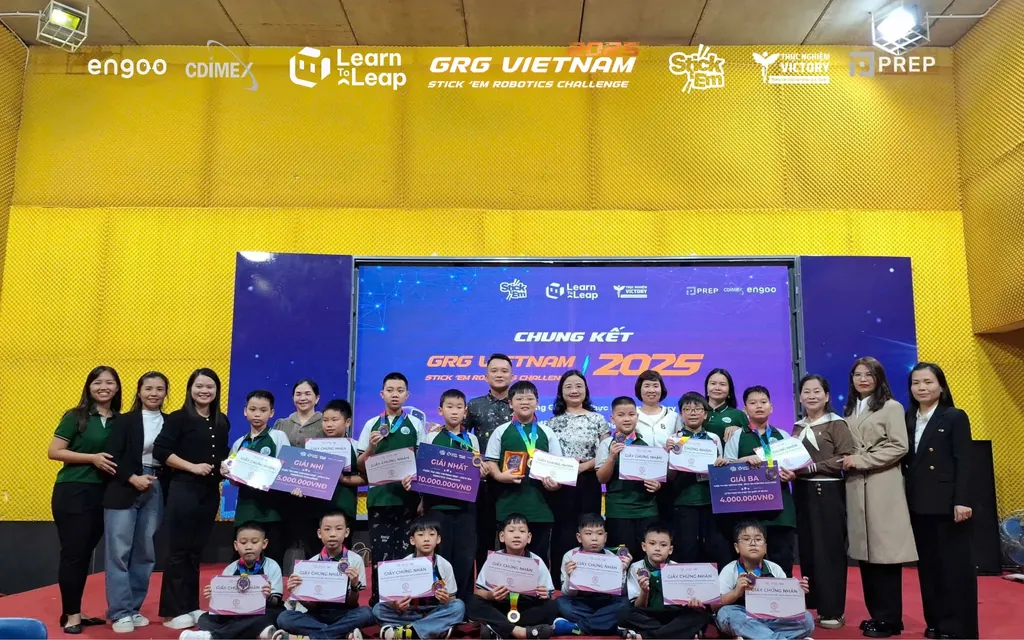
GRG Vietnam 2025 – Stick 'Em Robotics Challenge
Robotics for a Better World 2025
GRG Thailand National Round 2025

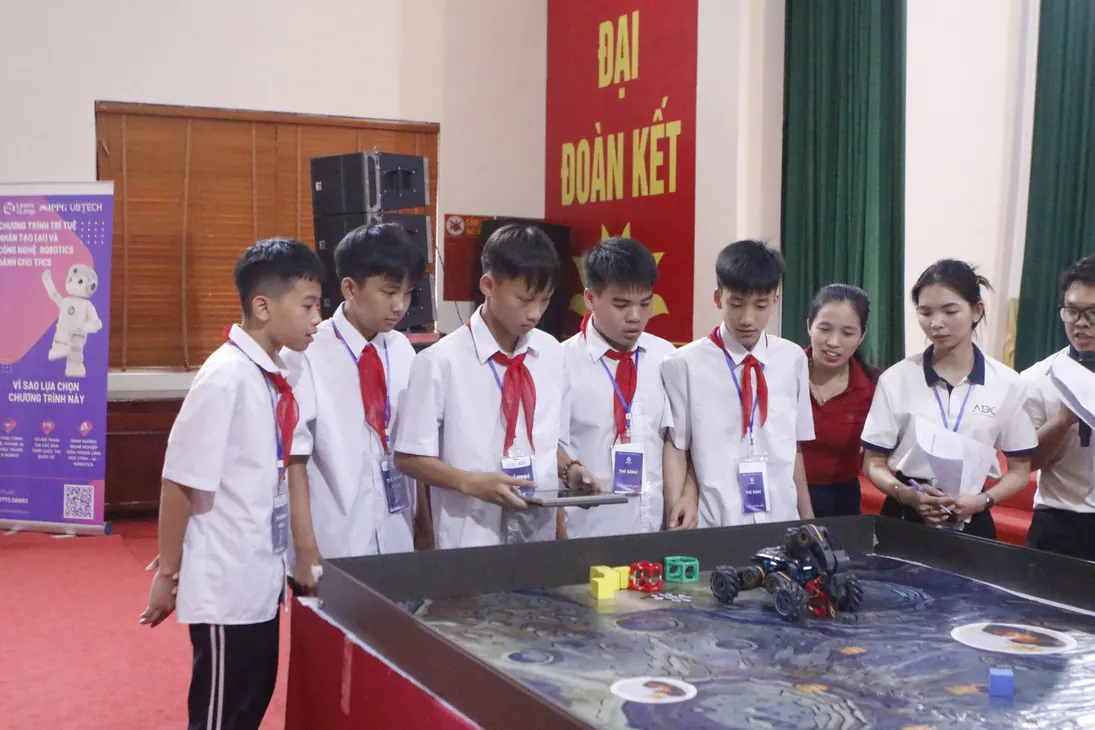
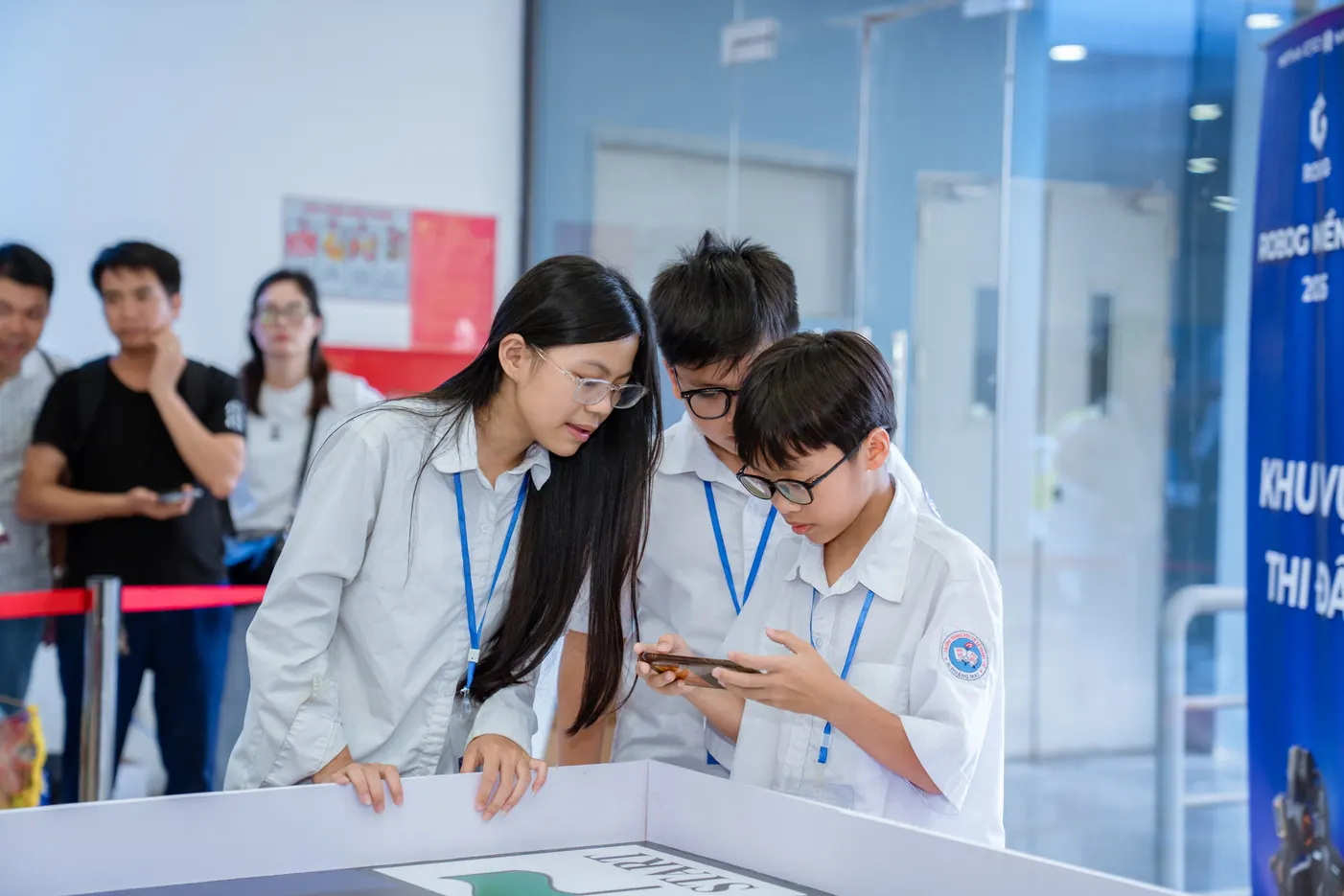
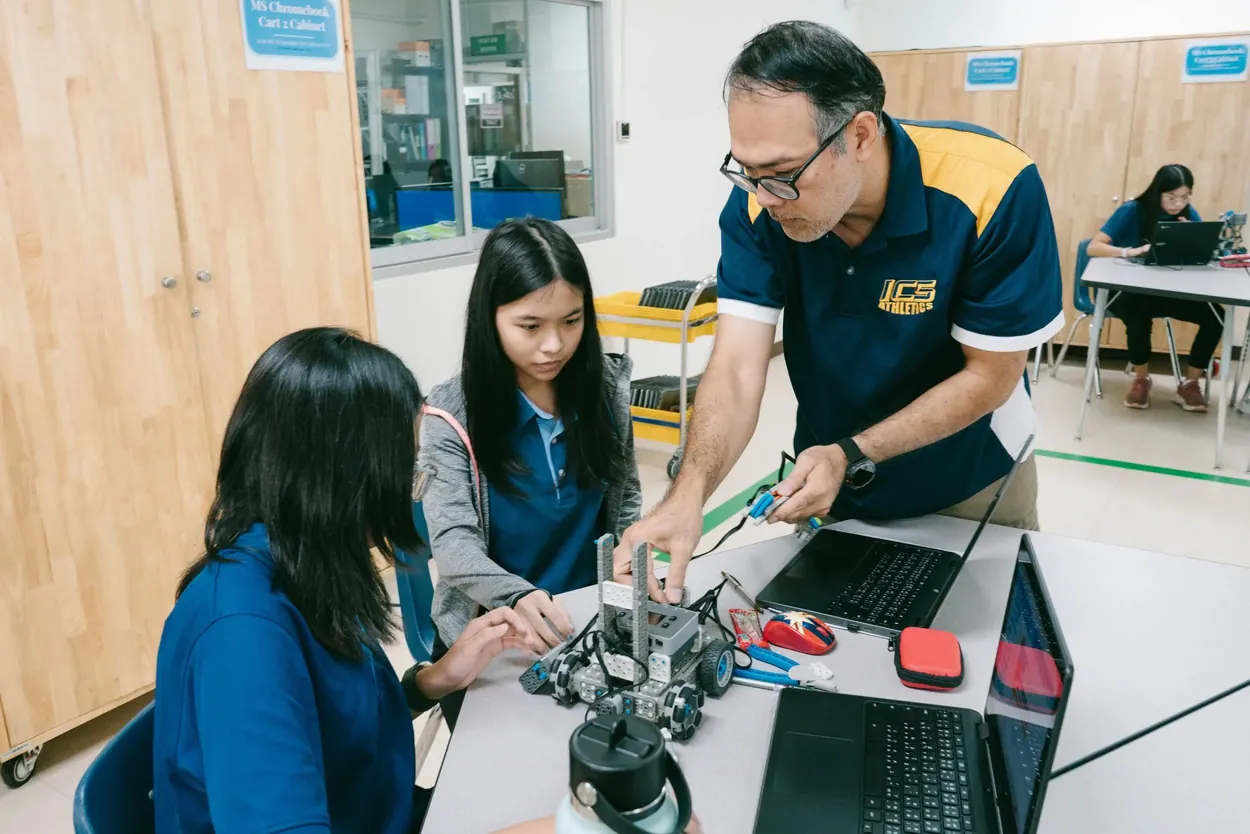
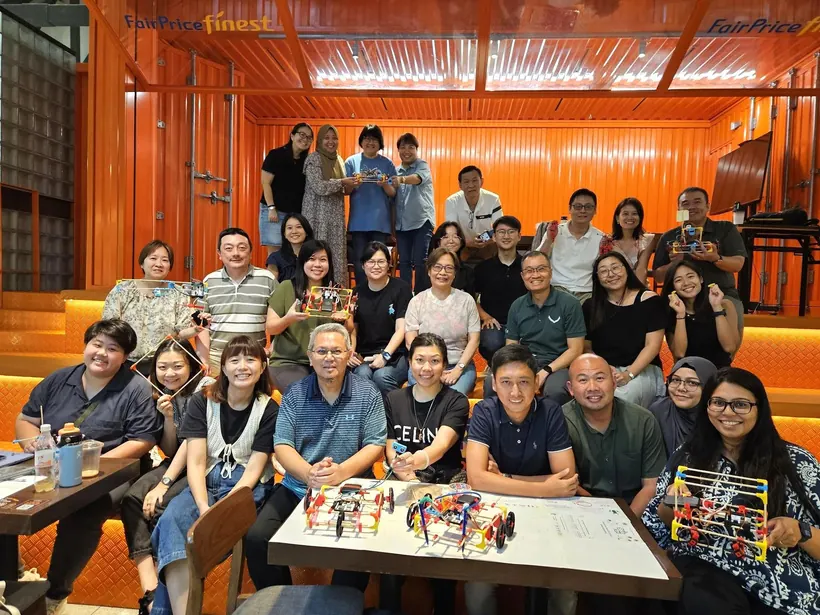
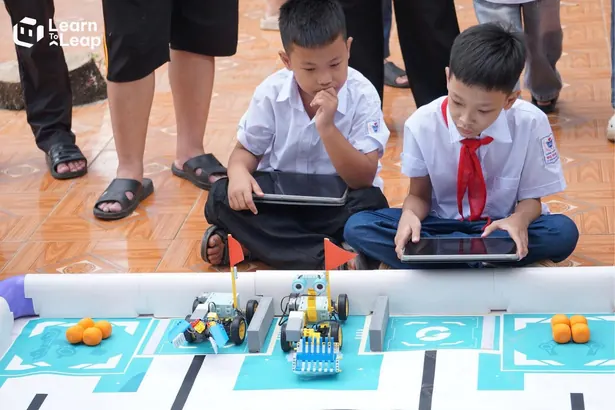
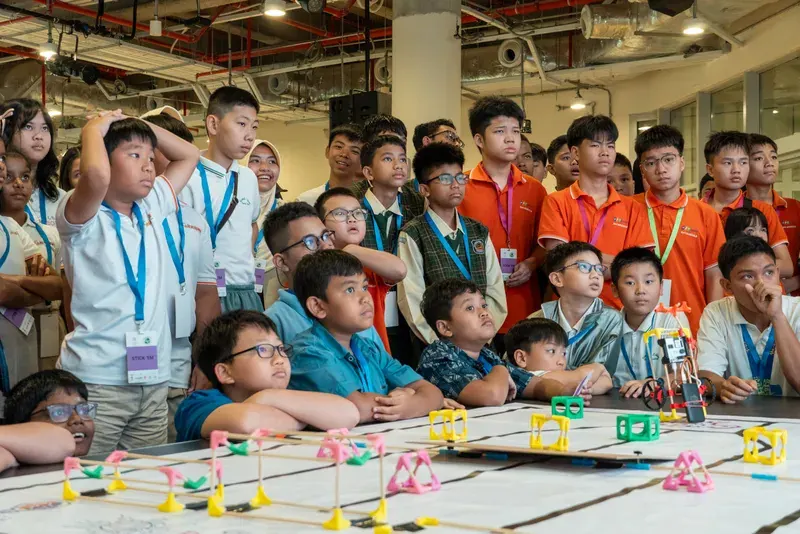
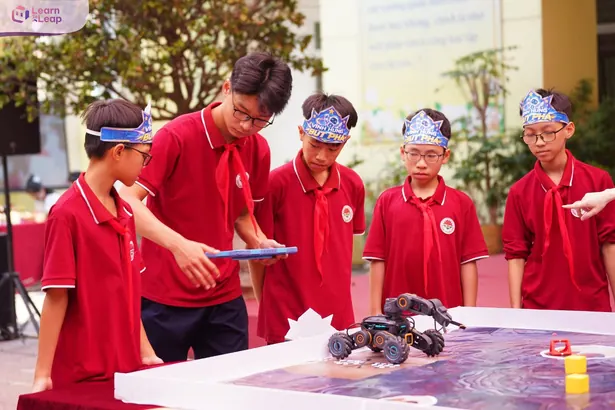
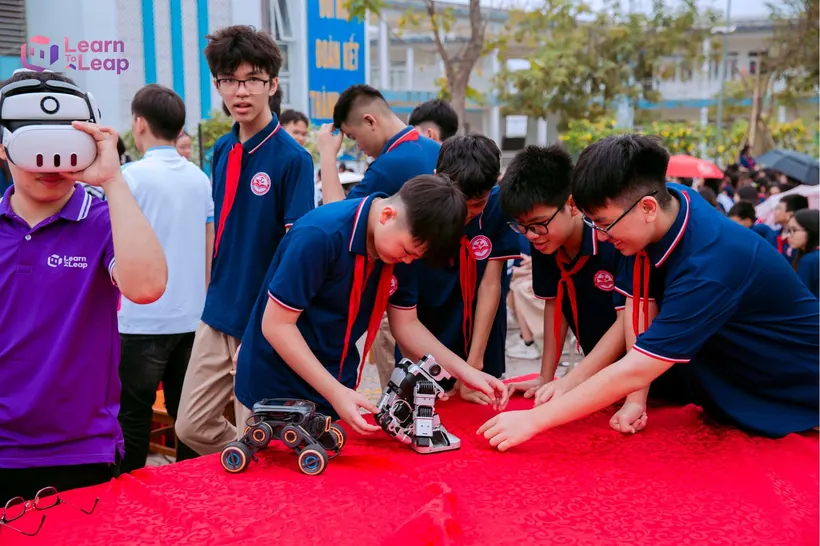
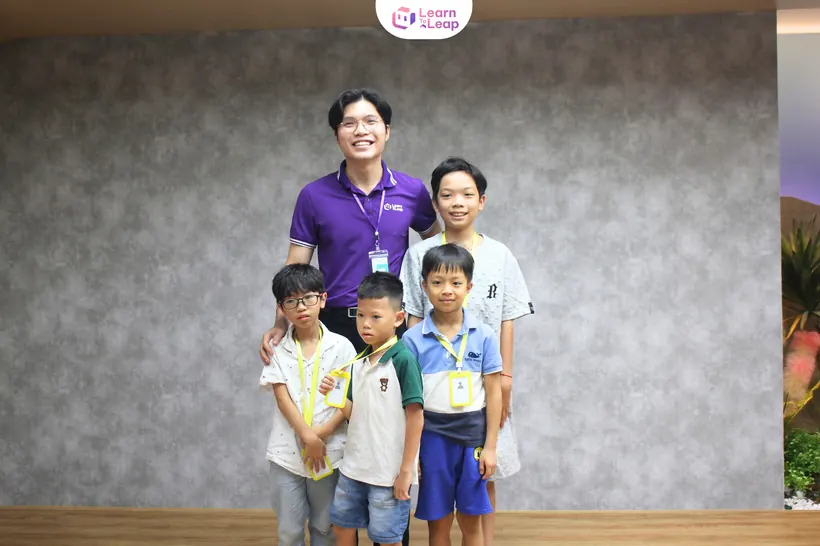
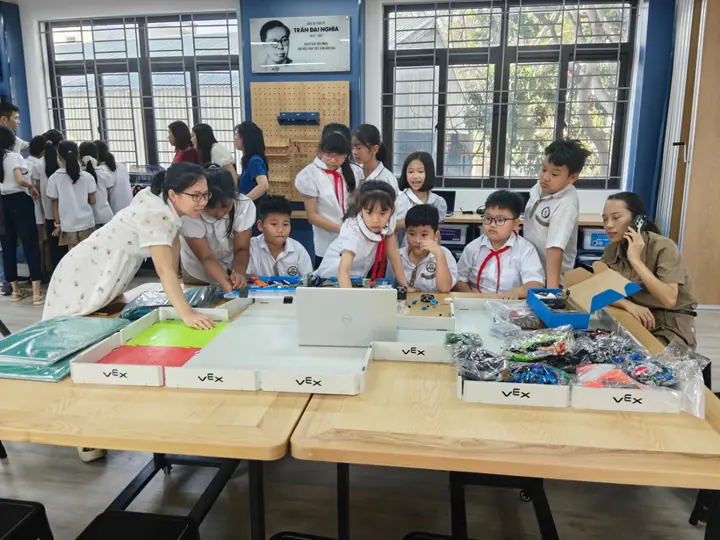
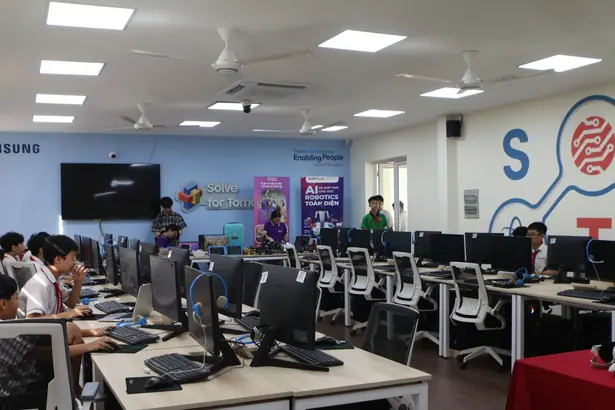
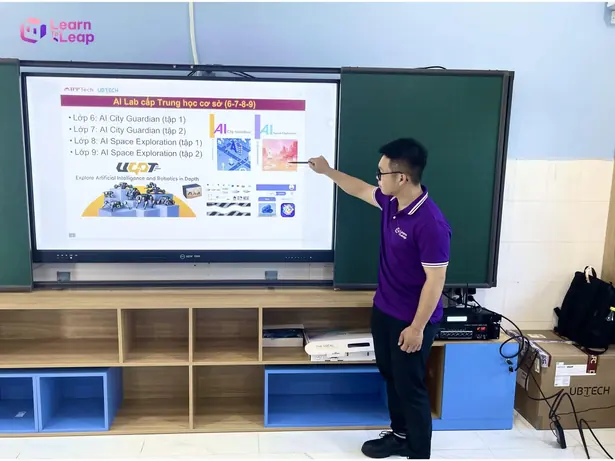
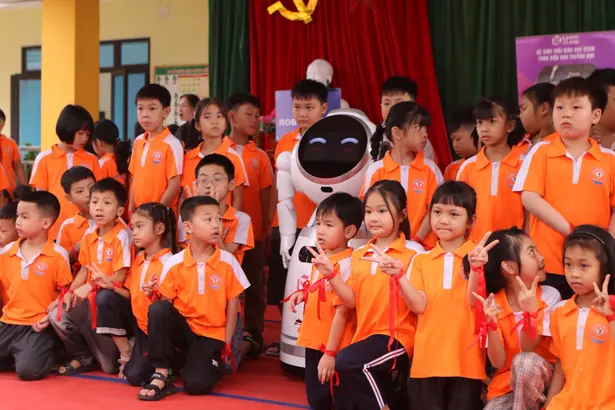
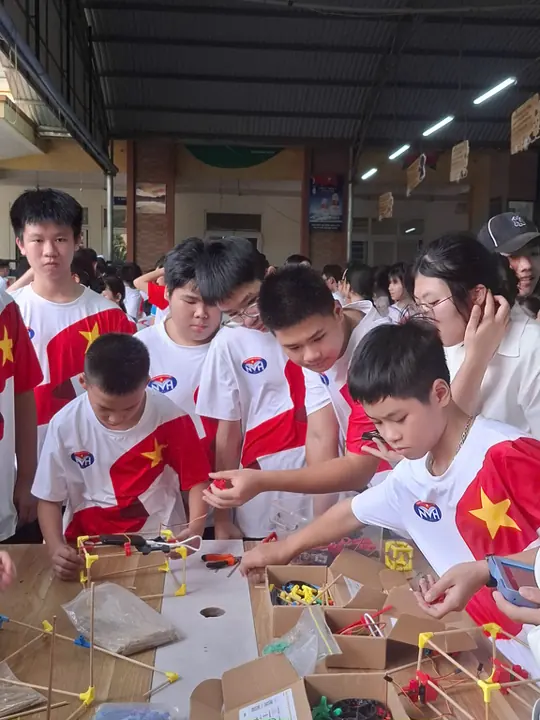
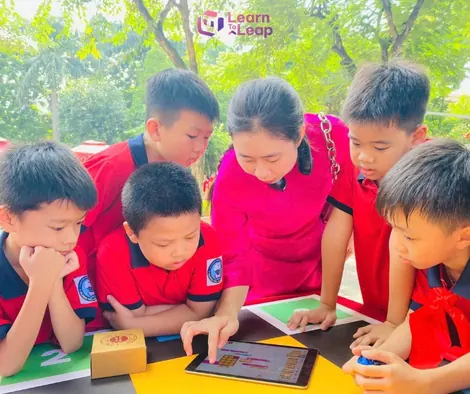
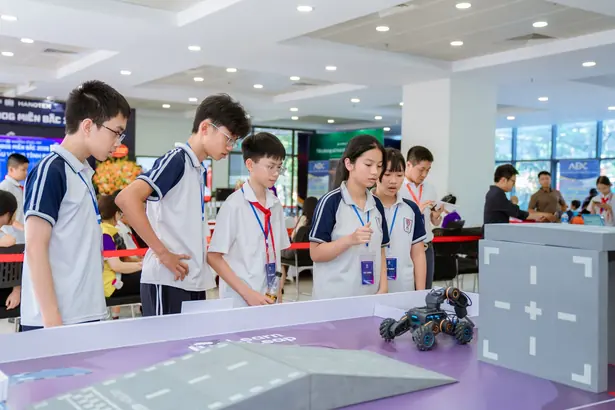
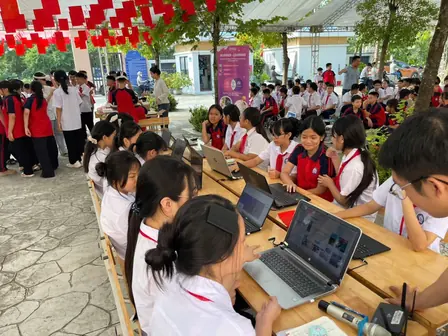
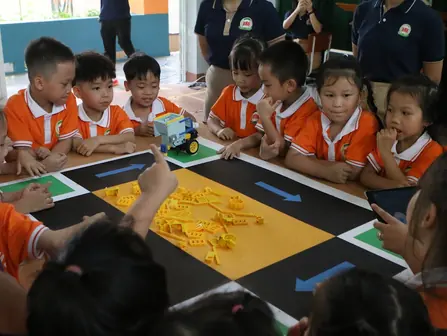
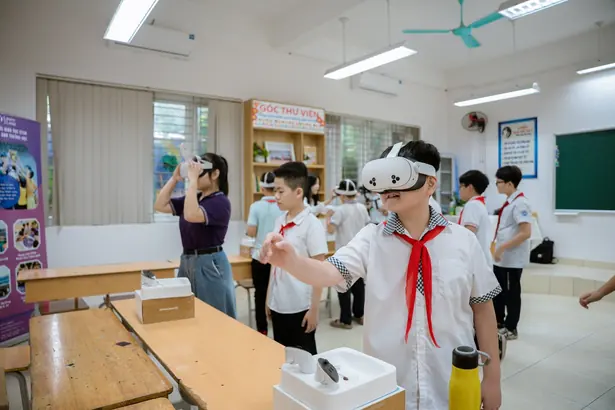
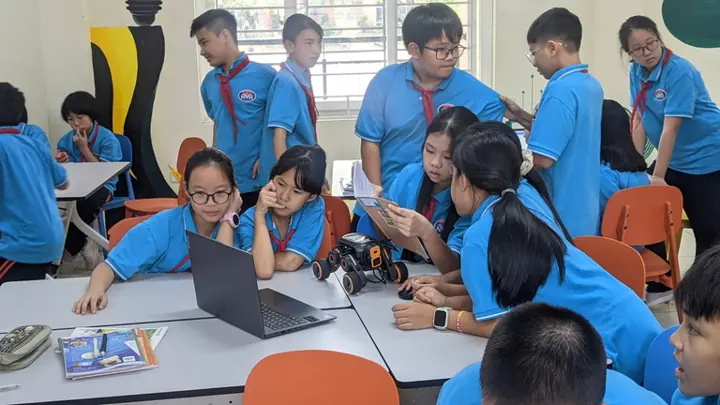
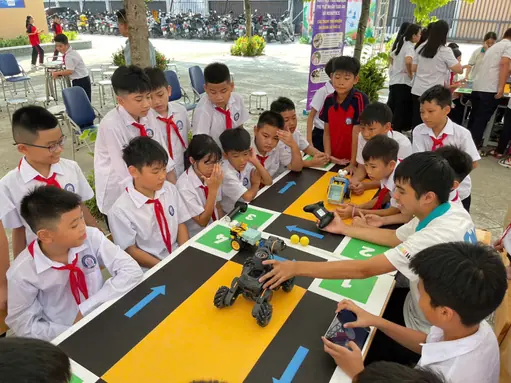
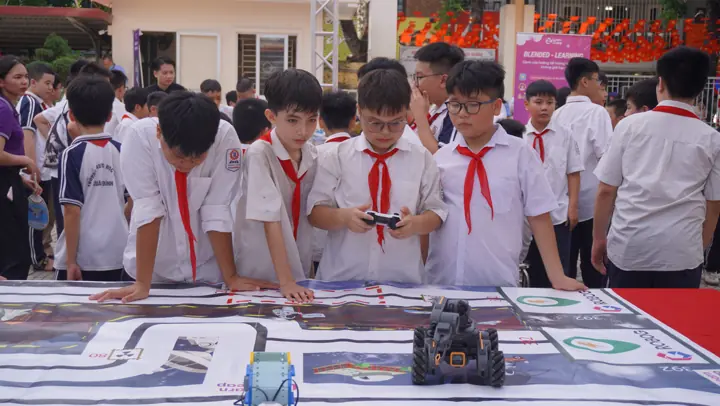
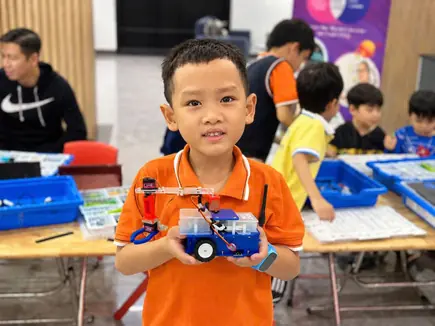
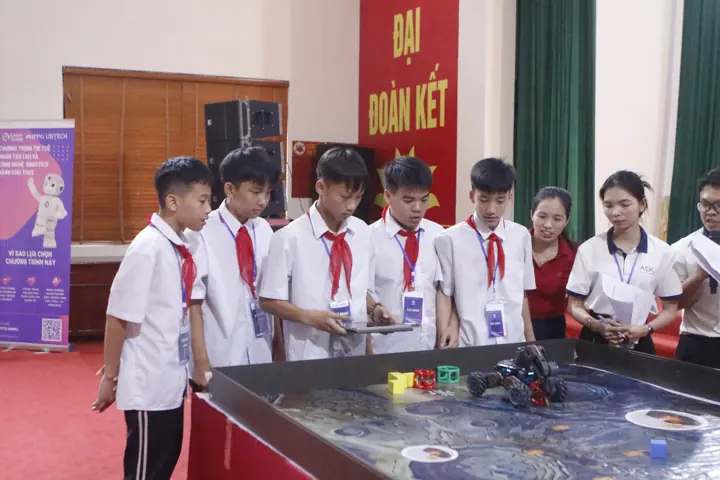
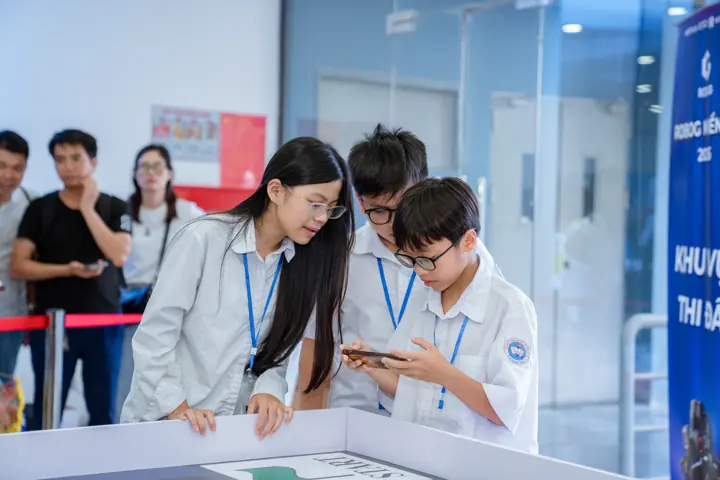
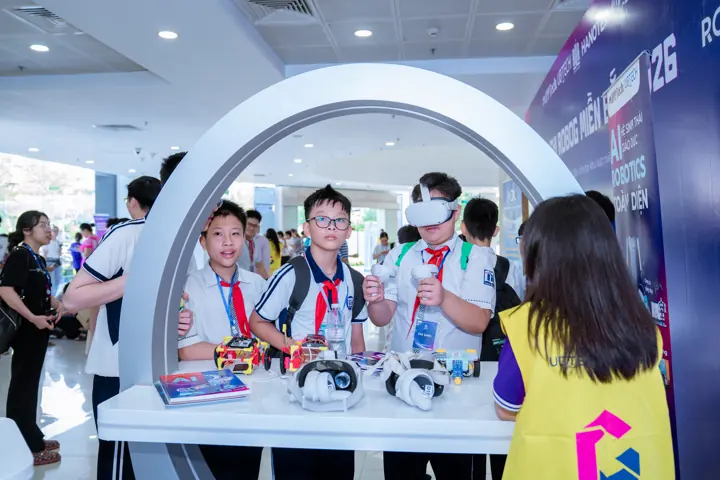
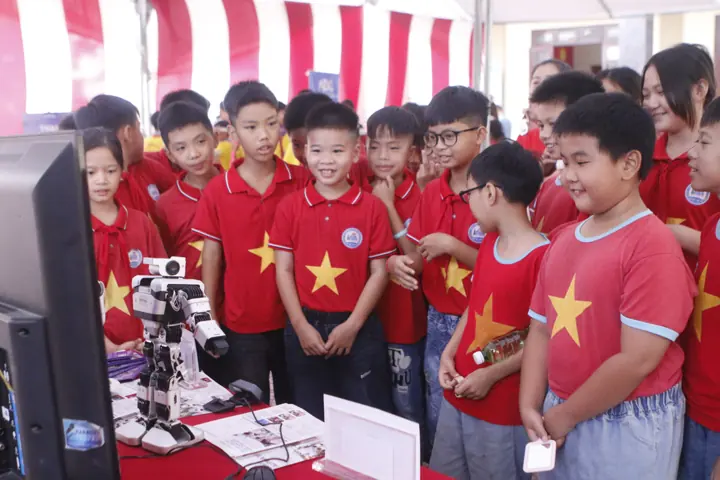
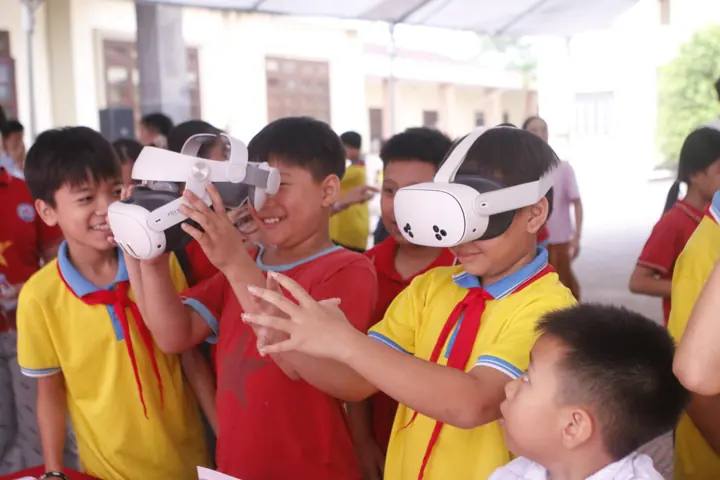
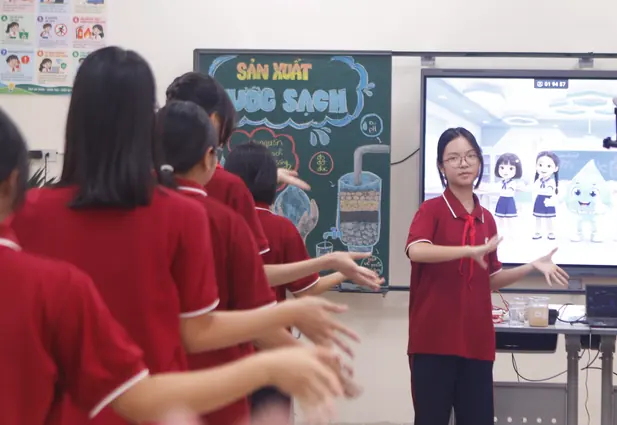
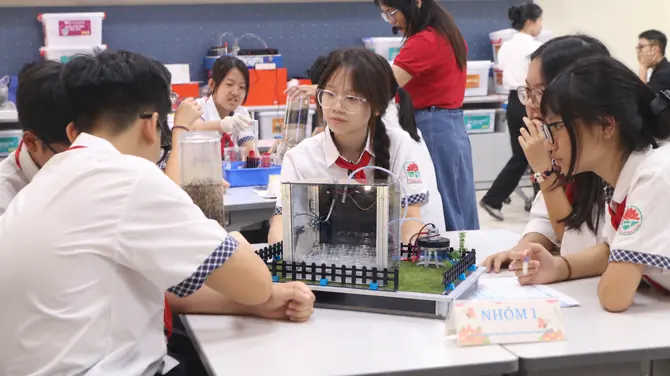
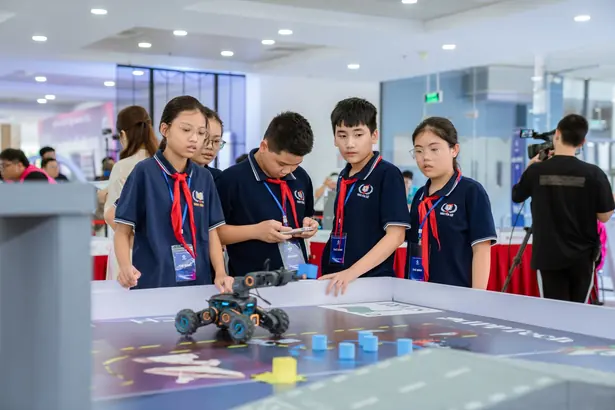
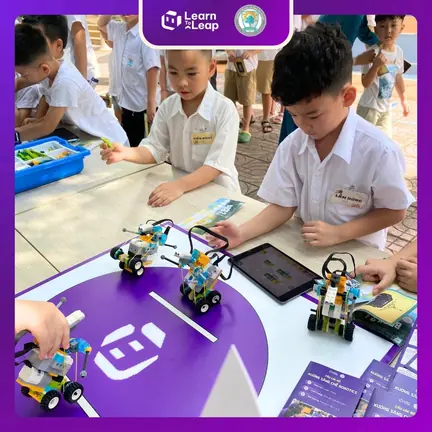
Students and teachers in STEM – AI lessons

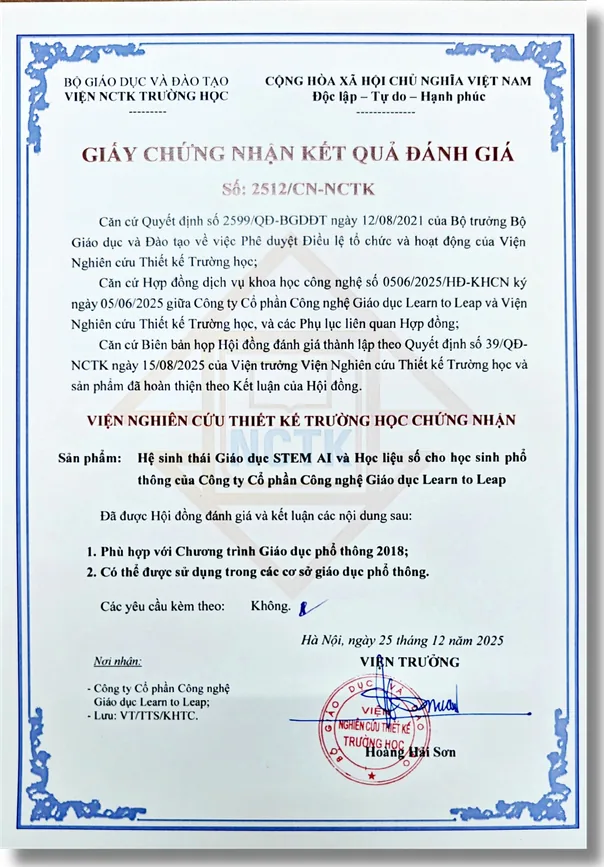
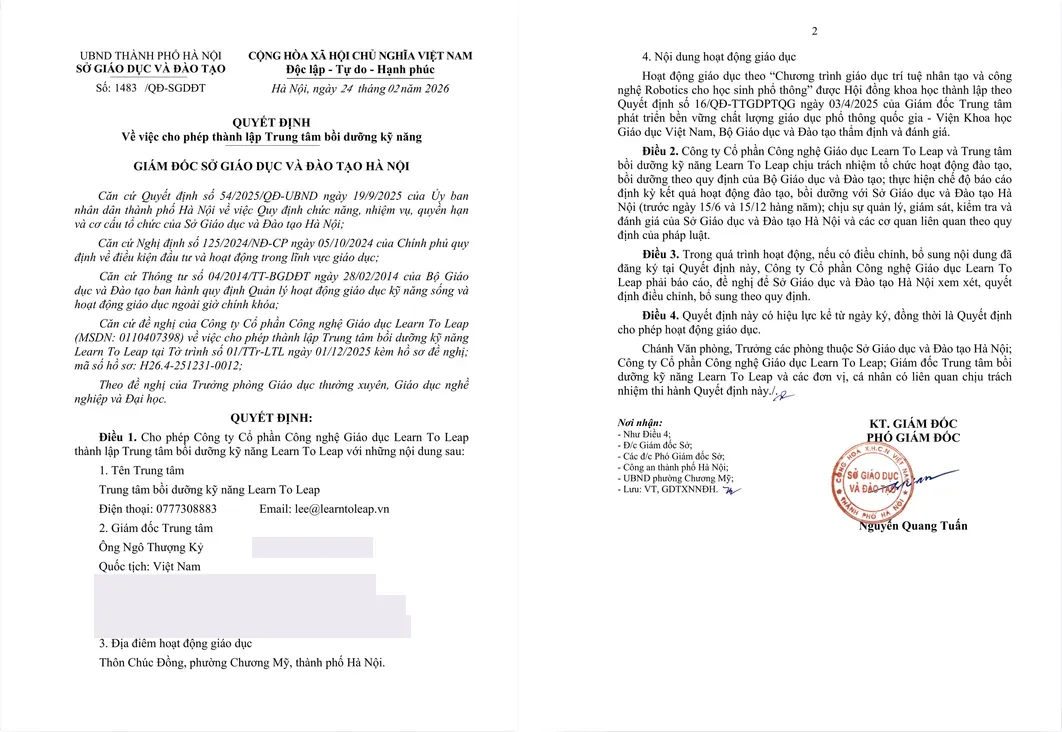
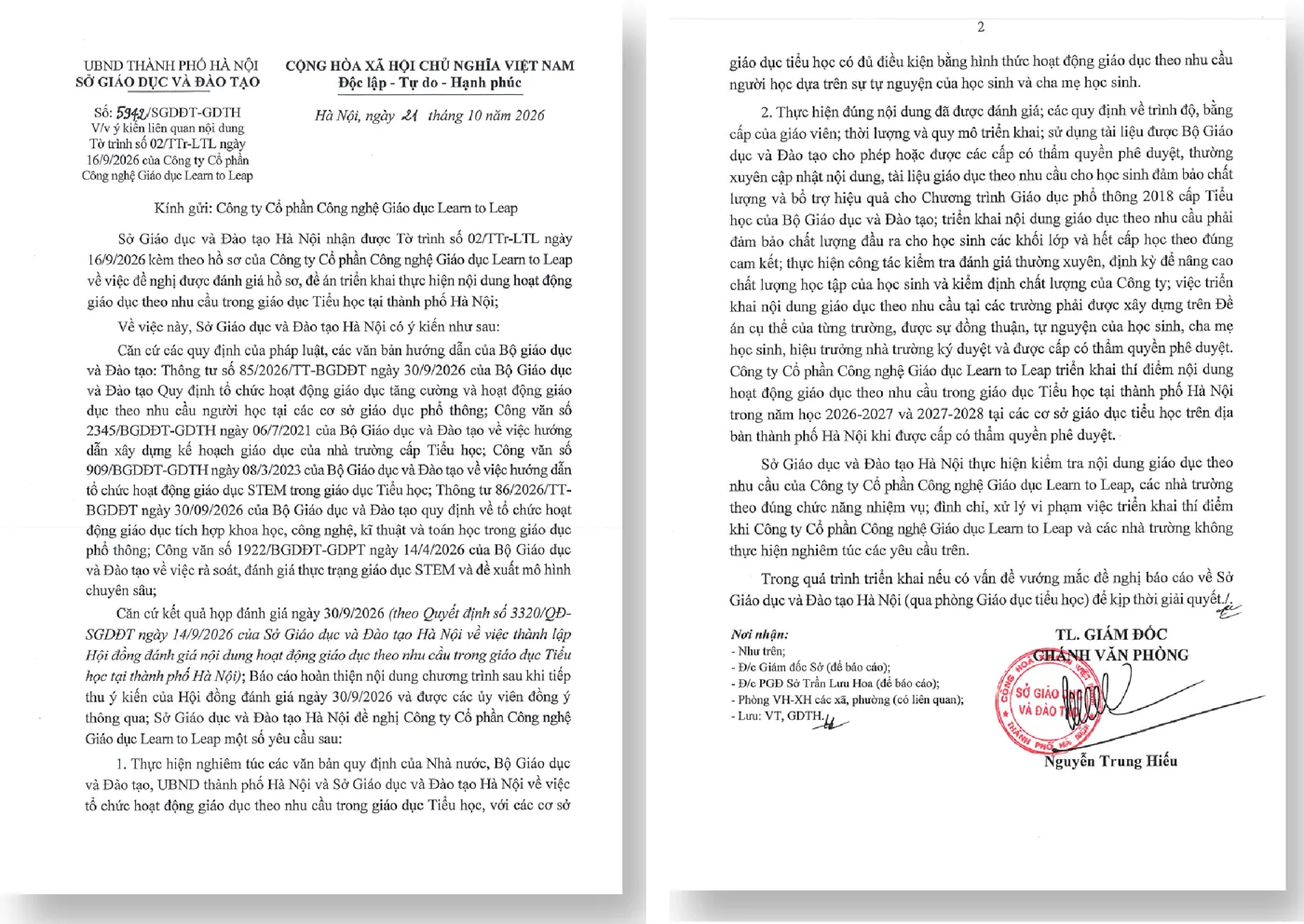
Classes, teacher training and STEM days Learn to Leap has run at schools. Click a photo to enlarge it.

The legal basis for delivery

From Party resolutions down to local rules, the model is backed at all four levels.

  1. Party resolutions
    Res. 57-NQ/TWScience, technology, innovation and national digital transformation
    Res. 71-NQ/TWBreakthroughs in education and training; more STEM and AI in schools
  2. Curriculum & competence frameworks
    GEC 2018General Education Curriculum (Circ. 32/2018): science, maths, computing, technology
    Circ. 02/2025Digital competence framework for learners, with an AI area
    Dec. 2422AI education framework; Letter 5588: 12 lessons per class per year from 2026–2027
  3. New in 2026
    Circ. 85/2026Learner-chosen education: coding, robotics, advanced STEM; voluntary, outside core lessons. In force 15/11/2026
    Circ. 86/2026STEM education at 3 equipment levels; schools encouraged to partner with businesses. In force 30/9/2026
  4. Local rules
    Province / cityFee rules for learner-chosen education services

Schools already on board

Learn to Leap’s STEM – AI – Robotics programmes are running in many primary and lower-secondary schools.

30+
Primary & lower-secondary schools
50+
Schools with a STEM AI Lab
30,000+
Students reached
  • TH Bắc Hồng
  • THCS Vĩnh Hưng
  • Trường Lương Ngọc Quyến
  • THCS Nam Từ Liêm
  • THCS Nguyễn Văn Tiệp
  • THCS Chu Văn An
  • THCS Yên Sở
  • TH Phố Cò
  • TH&THCS Tây Hà Nội
  • THCS Nguyễn Văn Huyên
  • THCS Tân Mai
  • THCS Xuân Đỉnh
  • THCS Tàm Xá
  • TH&THCS 915 Gia Sàng
  • THCS Thanh Trì
  • THCS Trần Phú
  • THCS Chùa Hang II
  • THCS Quang Trung
  • TH Đội Cấn I
  • TH Nguyễn Thị Minh Khai
  • TH Nguyễn Viết Xuân
  • THCS Nguyễn Du
  • THCS Hoàng Văn Thụ
  • THCS Phúc Xuân
  • THCS Độc Lập
  • THCS Quyết Thắng
  • TH Trưng Vương
  • TH Sơn Cẩm I
  • TH Phúc Trìu
  • THCS Chiến Thắng

Bring a Stick 'Em Lab to your school

Learn to Leap will survey your classrooms and propose a curriculum and rollout plan that fits your school.